Importing kitchen cabinets from China is a sequence of confirmations. Buyers who treat it that way — confirming the supplier, the drawings, the sample, the inspection and the shipping terms in order — rarely meet surprises on arrival. This guide walks through the eight steps in the order they happen.
Step 1:Define What You Are Importing
Start with the cabinet list: rooms, cabinet types, dimensions, materials, finishes, hardware and quantities, plus your destination and who is responsible for installation. A clear scope is what makes quotations comparable later.
Step 2:Verify the Supplier Before You Pay Anything
Check that you are dealing with a manufacturer, not only a trading office: a real factory address, production lines, export references and a documented quality process. Our guides on how to evaluate a custom cabinet manufacturer in China and what to check on a cabinet factory visit cover the verification step in detail.
Verification is easier when a supplier publishes its production setup openly: a factory-direct kitchen cabinet manufacturer in China should be able to show the factory, its production lines and the team behind the quotation before any payment is discussed.

Step 3:Review Drawings and the Quotation Line by Line
Cabinets are produced from drawings, so review dimensions, appliance positions and service points before approving them. Then read the quotation the same way — quantities, units and what is included or excluded. Our quote review guide shows how to check an imported cabinet quote section by section, and our cost factors guide explains what actually drives the price.
Step 4:Approve Samples Before Production
A sample door or cabinet section confirms colour, finish and construction in your hand, not on a screen. Keep the approved sample as the reference for inspection and acceptance later.
Step 5:Follow Production and Inspect Before Packing
Ask how inspection is handled during and after production, and agree what photo or video records you will receive. Door gaps and alignment, hardware function and finish consistency should be checked before cartons are sealed — our cabinet door gap and alignment check shows what to look at.
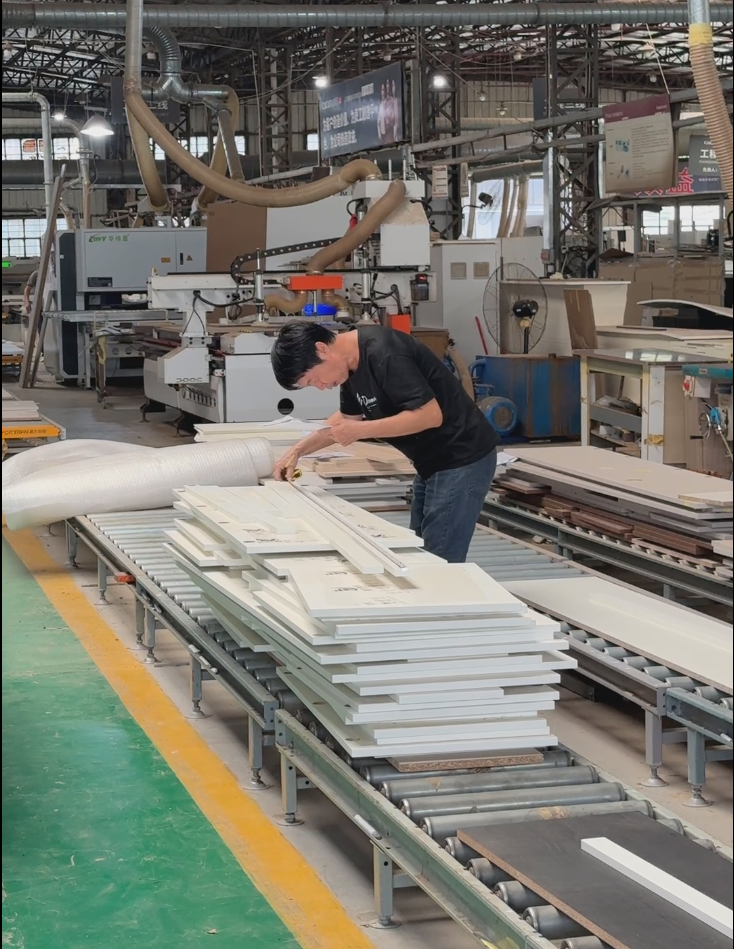
Step 6:Confirm Packing Before Loading
Whether cabinets ship flat-packed or pre-assembled, cartons should be protected for container transport and labelled to match the packing list, so what arrives can be checked against what was ordered.
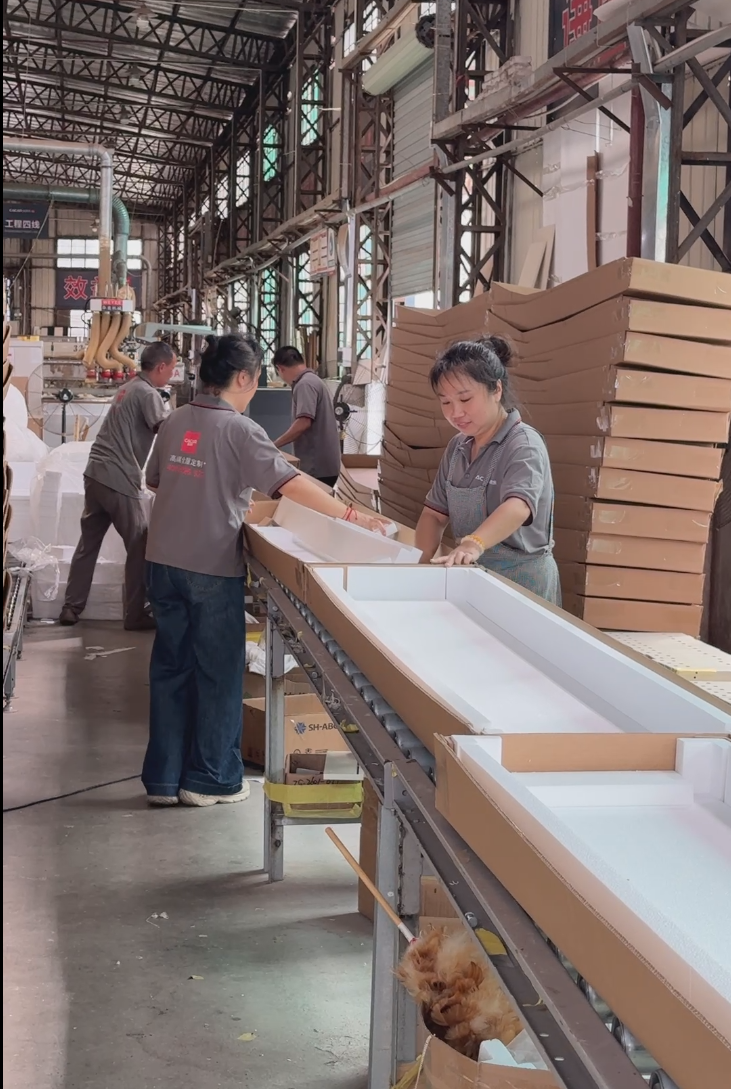
Step 7:Agree Shipping Terms and Customs Responsibilities
Confirm the trade term (for example EXW, FOB or DDP) and write down who handles freight, insurance, customs clearance and local delivery under that term. Most import problems at this stage are responsibility gaps, not shipping problems.
Step 8:Check the Delivery Against Your Records
On arrival, match cartons against the packing list, then check cabinets against the approved drawings and sample before installation. Buyers who kept records from steps 3–5 can resolve discrepancies with evidence instead of argument.
Frequently Asked Questions
Do I need to visit the factory in person?
Not necessarily. A visit is the strongest check, but document review, video walkthroughs, samples and third-party inspection can cover much of the same ground — the key is verifying before production, not after.
What should I confirm before paying a deposit?
The supplier's identity, the approved drawings, the quotation scope, the sample approval step and the shipping term. If any of these is still vague, it is too early.
Can one shipment combine kitchens with wardrobes and vanities?
Yes — export orders commonly combine cabinet types from the same factory into one consignment, packed and labelled by room or unit.
Planning an import order? Send your drawings for a free 3D design and quotation.


